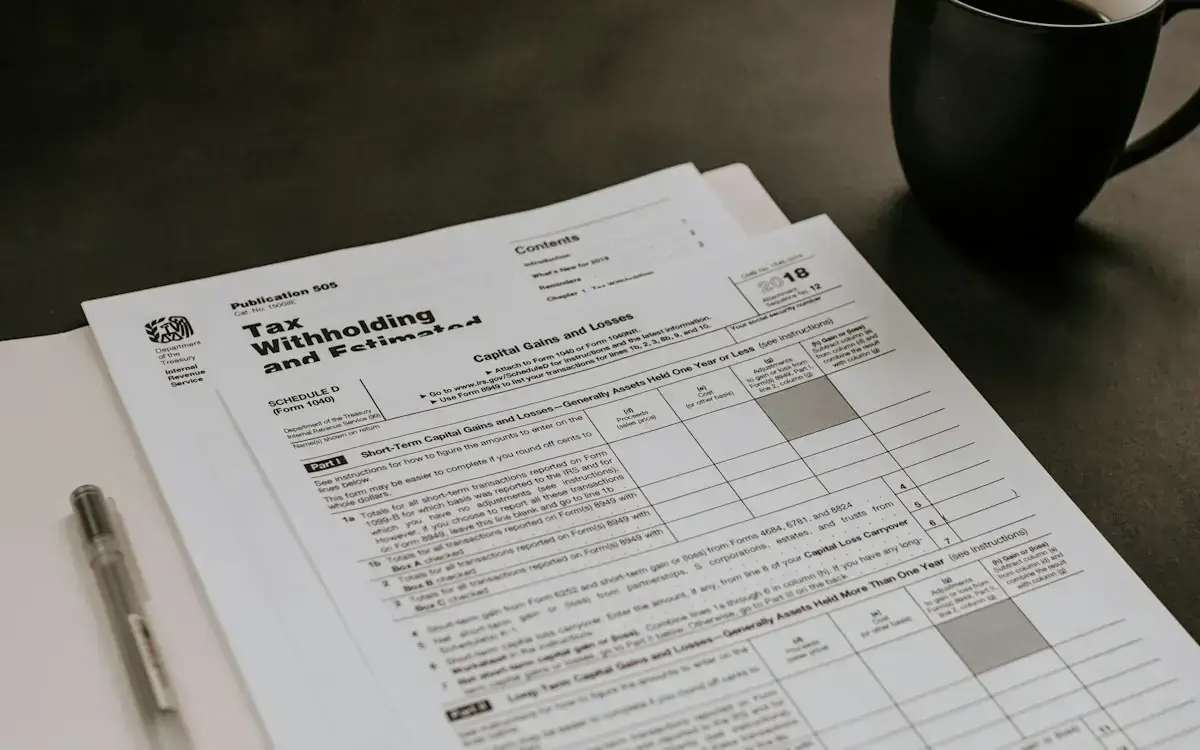
Tax benefits
Tax rules can lower costs.
Child and Dependent Care Credit
A federal credit for care costs you pay so you can work or look for work, for a child under 13 or a dependent who cannot care for themselves. Starting with tax year 2026, the credit is 20% to 50% of up to $3,000 in expenses for one person or $6,000 for two or more, depending on your income, so the most it can be is $1,500 or $3,000. It is non-refundable, so it can lower the tax you owe but not below zero.
Dependent care FSA
If your employer offers one, a dependent care FSA lets you pay care costs with pre-tax money. Starting in 2026 the federal limit is $7,500 per household ($3,750 if married filing separately), up from $5,000, but your employer's plan must adopt the higher amount. Money you run through the FSA cannot also be counted for the credit.
Provider tax ID
You will need your provider's tax ID to claim benefits.